
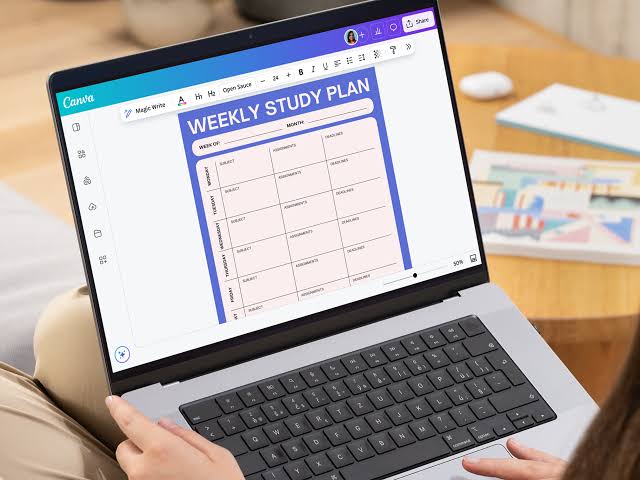
Learning English becomes much easier when you know what to study, how often to practice, and how to measure your progress. Instead of following a generic course, you can use artificial intelligence to create a personalized English study plan that fits your current level, goals, schedule, and learning preferences.
AI tools can help you practice grammar, improve vocabulary, simulate conversations, generate listening exercises, and identify areas that need more attention. In this guide, you will learn how to build a practical study routine with AI, discover ready-to-use prompts, and generate a weekly English learning schedule.
Why Use AI to Create an English Study Plan?
Traditional language courses often follow a fixed syllabus. That structure can be helpful, but it may not address your specific needs. AI makes it easier to generate activities that match your interests, profession, available time, and language level.
1. Personalized Learning Activities
Generate exercises based on your level and interests, from travel conversations to business English and academic vocabulary.
2. Flexible Daily Practice
Create short lessons for busy days or longer sessions when you have more time. You can adjust your plan as your schedule changes.
3. Immediate Practice Feedback
Ask AI to explain grammar mistakes, suggest more natural expressions, and create follow-up exercises based on recurring errors.
4. More Consistent Study Habits
A weekly schedule makes it easier to decide what to do next and prevents you from spending every session on the same skill.
Step 1: Identify Your Current English Level
Before building a personalized English study plan, estimate your current ability. The Common European Framework of Reference for Languages (CEFR) uses six main levels: A1, A2, B1, B2, C1, and C2.
A1–A2: Beginner and Elementary
Focus on everyday vocabulary, basic grammar, simple questions, introductions, common expressions, and short conversations.
B1–B2: Intermediate
Practice longer conversations, storytelling, opinions, workplace English, listening comprehension, and more complex sentence patterns.
C1–C2: Advanced
Work on nuance, professional communication, persuasive speaking, advanced listening, academic vocabulary, and precise writing.
Use AI for a Diagnostic Session
Ask for questions that test your grammar, vocabulary, reading, listening, and speaking. Treat the result as an estimate rather than an official language certification.
Copy This AI English Level Assessment Prompt
Step 2: Define a Clear English Learning Goal
Your study plan should be built around something you want to accomplish. “Improve my English” is a useful starting point, but it is too broad to guide daily practice.
English for Work
Practice meetings, professional emails, job interviews, presentations, networking, and industry-specific vocabulary.
English for Travel
Learn airport expressions, hotel check-ins, directions, restaurant conversations, and ways to ask for assistance.
English Exams
Prepare for IELTS, TOEFL, PTE Academic, or another exam with timed activities, practice questions, and structured feedback.
Everyday Fluency
Improve conversation skills, pronunciation awareness, listening, vocabulary recall, and confidence in social situations.
Make Your Goal Measurable
Instead of setting a goal such as “learn more vocabulary,” try: “Learn and use 15 useful expressions each week in spoken sentences.” A measurable target gives you a way to evaluate your progress.
Step 3: Choose the English Skills You Need to Improve
English proficiency involves several connected skills. Your plan should include all the main areas while dedicating extra time to the ones that matter most for your goal.
Speaking
Use role-plays, opinion questions, storytelling, presentations, and voice conversations. Practice answering without preparing every sentence.
Listening
Listen to learner podcasts, videos, interviews, and authentic speech. Summarize what you heard and identify unfamiliar expressions.
Reading
Read graded texts, articles, short stories, or professional material. Ask AI to explain vocabulary and quiz you on the main ideas.
Writing
Practice messages, emails, short essays, and summaries. Ask for explanations of recurring grammar and organization problems.
Grammar
Focus on grammar that affects your communication. Generate short exercises and then use the same structure in original sentences.
Vocabulary and Pronunciation
Learn words in context, review them over time, and practice word stress, difficult sounds, and sentence rhythm aloud.
Step 4: Build a Weekly English Study Schedule
A balanced schedule combines different skills and provides repeated opportunities to use what you learn. Here is an example for a learner who can study approximately 30 minutes per day.
Study one grammar point, learn useful words, and write original example sentences.
Listen to a short audio or video, summarize its main points, and review new expressions.
Use an AI conversation prompt and speak aloud for 10–15 minutes.
Read a suitable text, identify useful phrases, and answer comprehension questions.
Write a short email or paragraph and review the corrections with AI.
Complete a job interview, travel role-play, presentation, or longer conversation.
Review vocabulary, revisit difficult topics, and choose next week’s priorities.
This is a sample schedule, not a requirement. If you have only 10 minutes a day, shorten each activity and rotate skills throughout the week.
5 AI Prompts to Personalize Your English Study Plan
The following prompts can help you turn general learning goals into specific activities. Copy them into ChatGPT or another AI assistant and replace the examples with details about your situation.
Prompt 1: Create a Complete Study Plan
Prompt 2: Find My Weaknesses
Prompt 3: Build a Daily Speaking Routine
Prompt 4: Learn Vocabulary for My Profession
Prompt 5: Review My Progress Every Week
Free AI English Study Plan Generator
Use this interactive tool to create a starting study plan based on your current level, learning goal, daily time, and available study days. The generator works directly in your browser and creates a prompt you can paste into an AI assistant for further customization.
Which AI Tools Can Help You Learn English?
You do not need a large collection of apps. Start with one general-purpose AI assistant and add other tools only when they solve a specific problem.
ChatGPT
Use it to create personalized study plans, simulate conversations, generate grammar exercises, explain vocabulary, and review writing. Voice features depend on availability and account limits.
AI Writing Assistants
Writing tools can help identify grammar issues, improve sentence clarity, and explain alternative expressions. Review suggestions instead of accepting every change automatically.
Speech and Pronunciation Tools
Speech-enabled learning apps can provide additional practice with pronunciation, listening, and spoken responses. Check what each tool actually measures before relying on its feedback.
Podcasts, Videos, and Dictionaries
Combine AI-generated activities with real audio, level-appropriate videos, reputable dictionaries, and reading materials. These resources help expose you to language beyond AI-generated examples.
How to Track Your English Learning Progress
A personalized study plan should change as your English improves. Review your results weekly and use evidence from actual tasks rather than relying only on how confident you feel.
Use a Weekly Review
At the end of each week, save one short speaking recording, a writing sample, or the results of a practice quiz. Compare it with previous samples to identify specific improvements in accuracy, clarity, vocabulary, and confidence.
Common Mistakes to Avoid When Using AI to Learn English
- Creating an unrealistic schedule. Choose a routine you can sustain rather than planning several hours every day and giving up.
- Studying only grammar. Include active speaking, listening, reading, and writing.
- Accepting every AI correction. Ask why a change is needed and verify important rules with reliable references.
- Using AI as your only source. Practice with real audio, books, videos, teachers, and human conversation partners when possible.
- Never reviewing old material. Revisit vocabulary and grammar regularly instead of learning new content continuously.
- Confusing activity with progress. Measure whether you can perform tasks more effectively, not just how many exercises you completed.
Frequently Asked Questions
Can AI create a personalized English study plan?
Yes. An AI assistant can use information about your level, goals, schedule, interests, and weak areas to suggest a study routine. The quality of the plan depends on the details you provide, and you should adjust it based on your actual progress.
How many minutes should I study English each day?
A practical starting point is 10–30 minutes per day, depending on your schedule. Longer sessions may be appropriate for intensive goals, but regular practice that you can maintain is more useful than an unrealistic routine.
Can ChatGPT help me improve my English speaking?
ChatGPT can simulate conversations, ask follow-up questions, suggest more natural expressions, and provide feedback. Speaking aloud and using voice features when available make the practice more relevant to spoken communication.
How long does it take to improve my English with AI?
It depends on your starting level, practice time, consistency, exposure to English, and learning goals. You may notice progress in specific tasks before your overall proficiency changes significantly. Review measurable outcomes regularly instead of relying on a fixed timeline.
Is AI enough to become fluent in English?
AI can provide valuable practice, but fluency also benefits from real listening experiences, spontaneous conversations, and exposure to different speakers. Combine AI practice with authentic materials and human interaction when possible.
Can I create an English study plan for IELTS or TOEFL?
Yes. Specify your target exam, test date, current performance, and weakest sections. Ask AI to create a schedule using official exam formats and publicly available assessment criteria. Use official preparation resources to verify exam requirements and scoring details.
Are AI English study plans free?
You can create a study plan with many AI tools that offer free access, but available models, usage limits, and voice features vary. You can also follow a plan manually using free reading, listening, and practice resources.
Start Building Your Personalized English Study Plan Today
Creating a personalized English study plan with AI starts with three decisions: understanding your current level, defining a meaningful goal, and choosing a realistic amount of time to practice. From there, AI can help you organize lessons, generate exercises, simulate conversations, and review recurring mistakes.
Keep your routine simple at first. Focus on a few important skills, review your progress every week, and adjust the plan when your needs change. The most effective study plan is one you can follow consistently and that helps you use English in real situations.
Educational note: AI-generated learning materials may contain inaccuracies. Verify important language rules, and use official exam resources when preparing for a standardized English test.