
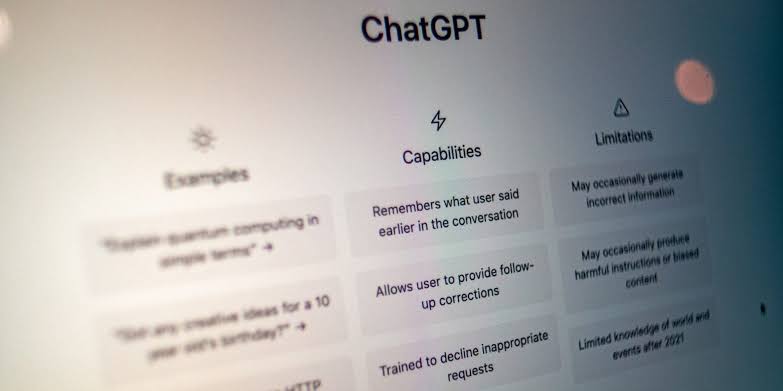
Want to speak English more confidently without paying for a private tutor or waiting for a language exchange partner? ChatGPT can help you practice conversations, learn natural expressions, improve pronunciation awareness, and prepare for real-life situations.
The key is to use prompts that encourage you to speak, respond to follow-up questions, and correct your mistakes. In this guide, you will find 25 ready-to-use ChatGPT prompts for English speaking practice, from beginner conversations to advanced discussions and job interviews.
Why Use ChatGPT to Practice English Speaking?
Regular speaking practice helps you retrieve vocabulary faster, organize your thoughts in English, and become more comfortable expressing opinions. ChatGPT can act as a conversation partner whenever you have a few minutes to practice.
1. Practice on Your Schedule
Start a short conversation in the morning, during a break, or after work. You can repeat difficult conversations as often as you need.
2. Build Speaking Confidence
Practice common questions before talking to colleagues, traveling, attending interviews, or meeting new people.
3. Learn Natural Expressions
Ask for everyday phrases, alternative ways to express an idea, and explanations of the difference between formal and casual English.
4. Identify Recurring Mistakes
Request feedback on grammar, vocabulary, sentence structure, and clarity. Track repeated errors and practice them in later sessions.
How to Use These ChatGPT Prompts for English Speaking
Copy one of the prompts below into ChatGPT. If you use voice mode, say your answers aloud and let the conversation continue naturally. If you use text chat, answer as if you were speaking and then read your response aloud.
- Choose one situation: Start with a topic that matches your current English level.
- Answer without translating: Try to communicate your idea with the words you already know.
- Ask for targeted feedback: Request corrections after each answer or at the end of the conversation.
- Repeat improved sentences: Say the corrected versions aloud two or three times.
- Continue the conversation: Ask follow-up questions instead of ending after one response.
Prompts 1–6: Beginner English Speaking Practice
These prompts are ideal if you are learning basic English, feel nervous speaking, or want to build a daily habit. Ask ChatGPT to use simple vocabulary and short sentences.
Introduce Yourself in English
Practice names, hometowns, interests, and personal introductions.
Act as a friendly English conversation partner. Help me practice introducing myself. Ask one question at a time about my name, hometown, job, hobbies, and goals. Use A1–A2 English, wait for my answer, and correct my most important mistakes in simple language.
Talk About Your Daily Routine
Learn to describe habits using the present simple tense.
Help me practice talking about my daily routine in English. Ask questions about when I wake up, work, eat, exercise, and relax. Focus on the present simple. After each answer, suggest a more natural version and ask a follow-up question.
Talk About Your Hobbies
Build vocabulary for free-time activities and personal interests.
Let’s have a beginner-friendly English conversation about hobbies. Ask what I enjoy doing in my free time and why. Teach me five useful expressions for discussing hobbies, and help me use them in my answers.
Order Food at a Restaurant
Practice polite requests, food vocabulary, and everyday interactions.
Role-play a restaurant conversation with me. You are the waiter, and I am the customer. Help me order food, ask about ingredients, request the bill, and handle a small problem. Use natural, beginner-friendly English and correct me after each turn.
Describe Your Family and Friends
Practice describing people, personalities, and relationships.
Help me describe my family and friends in English. Ask about people’s personalities, jobs, interests, and appearance. Teach me useful adjectives and show me how to combine short sentences into a natural paragraph. Ask one question at a time.
Talk About the Weather
Learn small-talk phrases for everyday conversations.
Practice small talk about the weather with me. Ask about today’s weather, my favorite season, and activities I enjoy in different weather conditions. Teach me five common weather expressions and encourage me to speak in complete sentences.
Prompts 7–13: Intermediate English Conversation
If you can hold a basic conversation, focus on longer answers, past experiences, opinions, storytelling, and spontaneous responses. These prompts are suitable for many A2–B1 learners and can be adapted to B2.
Tell a Story About Your Weekend
Help me practice telling stories in English about my weekend. Ask what I did, where I went, and what happened. Focus on past simple and sequencing words such as first, then, after that, and finally. Correct my errors and ask follow-up questions.
Discuss Your Favorite Movie
Have an intermediate English conversation with me about movies. Ask about my favorite film, characters, plot, and opinion. Teach me natural phrases for agreeing, disagreeing, and recommending a movie.
Describe a Travel Experience
Act as an English conversation partner and ask me about a memorable trip. Help me describe the destination, transportation, food, activities, and unexpected events. Correct my past-tense mistakes and suggest more descriptive vocabulary.
Give Your Opinion on Technology
Let’s discuss how technology affects everyday life. Ask me for my opinion on smartphones, artificial intelligence, and social media. Encourage me to explain my reasons and give examples. Teach me expressions for presenting opinions and contrasting ideas.
Make Plans With a Friend
Role-play a conversation in which we are friends making weekend plans. Suggest activities, negotiate times, disagree politely, and find a solution. Help me practice expressions such as “How about…?” and “That sounds good to me.”
Explain a Problem and Find a Solution
Give me everyday problems to discuss in English, such as missing a bus, losing a reservation, or having a broken phone. Ask me to explain the problem and suggest a solution. Teach me useful phrases for clarifying information and asking for help.
Talk About Your Goals
Help me discuss my short-term and long-term goals in English. Ask about my plans, challenges, and next steps. Practice future forms such as “going to,” “will,” and the present continuous for arrangements. Give me feedback on grammar and clarity.
Prompts 14–19: Advanced English Speaking Practice
These prompts challenge you to develop arguments, discuss abstract ideas, explain complex subjects, and respond to follow-up questions. They are useful for learners working toward B2 or C1 fluency.
Debate a Controversial Topic
Choose a discussion topic suitable for an advanced English learner. Present a clear position and challenge my arguments respectfully. Ask me to support my opinions with examples, acknowledge opposing views, and summarize my conclusion. Give feedback on vocabulary, logic, and fluency.
Discuss Artificial Intelligence
Have an advanced English discussion with me about artificial intelligence and its impact on work, education, and creativity. Ask challenging follow-up questions, introduce relevant vocabulary, and help me express nuanced opinions without repeating the same words.
Practice a Presentation
Help me prepare and practice a five-minute presentation in English about a topic I choose. Ask me to deliver the presentation in sections. Evaluate organization, transitions, clarity, and word choice. Suggest stronger openings and conclusions, and ask audience-style questions.
Explain a Complex Topic Simply
Ask me to explain a complex subject I know well as if I were speaking to someone with no background in it. Help me simplify technical vocabulary, use examples, organize my explanation, and check whether my ideas are easy to understand.
Improve Spontaneous Speaking
Give me one unexpected English speaking question at a time. Let me answer without preparing a script. After each answer, identify one grammar improvement, one vocabulary upgrade, and one way to make my response more coherent. Gradually increase the difficulty.
Practice a C1-Level Discussion
Act as an advanced English speaking examiner. Lead a discussion about education, culture, economics, or society. Ask open-ended questions requiring detailed reasoning and examples. At the end, evaluate my grammar, lexical range, coherence, and ability to develop ideas. Do not claim to provide an official CEFR assessment.
Prompts 20–25: Real-Life English Conversations
Real-life role-play helps you practice the language you need for work, travel, customer service, and professional communication. Tell ChatGPT to stay in character and respond naturally.
Practice an English Job Interview
Act as a recruiter interviewing me for a job in my field. Ask one interview question at a time, including questions about my experience, strengths, weaknesses, and career goals. After my answer, suggest a more professional version while keeping my real experience accurate.
English for Meetings and Remote Work
Role-play a remote team meeting with me. Ask me to give a progress update, explain a delay, share an opinion, and ask a colleague for clarification. Teach me natural workplace expressions and polite ways to disagree.
Handle a Conversation While Traveling
Simulate a travel conversation at an airport, hotel, or train station. Make me ask for directions, confirm a reservation, explain a problem, and request assistance. Introduce realistic follow-up questions and correct my English after each exchange.
Make Small Talk With a Stranger
Pretend we have just met at a social event. Start a natural small-talk conversation about work, hobbies, travel, and interests. Help me avoid awkward pauses, ask questions in return, and end the conversation politely.
Speak English With a Customer
Role-play a professional customer service conversation. You are a customer with a question or complaint, and I must respond helpfully. Teach me to clarify the issue, explain options, apologize appropriately, and confirm the next steps in polite business English.
Have a 10-Minute Daily Conversation
Be my daily English speaking partner for a 10-minute practice session. Choose an interesting topic based on my level, ask one question at a time, and keep the conversation going. Do not interrupt every sentence. At the end, summarize my three most important mistakes, teach me five useful expressions, and give me a short task for tomorrow.
Generate a Custom ChatGPT Prompt for English Speaking
Choose your English level and the situation you want to practice. The generator creates a personalized prompt that you can copy into ChatGPT and use for your next conversation.
How to Get Better Feedback From ChatGPT
A good prompt tells ChatGPT what to practice, how to respond, and what kind of feedback you need. Instead of asking only “Can you help me improve my English?”, use specific instructions.
Prompt for Grammar and Vocabulary Feedback
Ask for Corrections Without Breaking the Conversation
If ChatGPT corrects every small mistake immediately, you may lose the flow of the conversation. Try this instruction instead:
Practice Pronunciation More Effectively
Use voice mode if available, speak aloud, and ask for help with word stress, difficult sounds, sentence rhythm, and connected speech. If you are using text-only chat, ask for phonetic guidance and practice sentences, but remember that text alone cannot reliably assess your actual pronunciation.
A Simple 7-Day English Speaking Practice Plan
You do not need to use all 25 prompts in one session. Choose one topic each day and repeat the same activity later in the week to notice your progress.
Use Prompt 1. Speak for one or two minutes about yourself.
Use Prompt 2. Practice the present simple and time expressions.
Use Prompt 7. Describe a recent experience in chronological order.
Use Prompt 22. Practice a travel situation without reading a script.
Use Prompt 20 or 21 to practice career-related conversations.
Use Prompt 14. Give reasons and examples to support your opinion.
Use Prompt 25 and compare your answers with those from Day 1.
Daily Progress Checklist
Tick each task when you finish your practice session.
7 Tips to Improve Your English Fluency With ChatGPT
- Speak before you type. When possible, answer aloud before checking suggested corrections.
- Use complete sentences. Expand short answers by adding a reason, detail, or example.
- Repeat difficult situations. Try a conversation again using the expressions you learned.
- Keep a personal vocabulary list. Save phrases you can realistically use in everyday conversations.
- Practice different accents. Ask for exposure to different varieties of English, while focusing on clear communication.
- Do not memorize every answer. Learn useful sentence patterns and adapt them to your own experiences.
- Track your progress weekly. Compare your ability to speak at length, explain ideas, and recover when you forget a word.
Frequently Asked Questions
Can ChatGPT help me practice English speaking every day?
Yes. ChatGPT can simulate conversations, ask questions, explain expressions, and provide feedback on your written or spoken responses, depending on the features you use. Consistent practice can help you build confidence, especially when combined with real conversations.
Is ChatGPT good for beginner English learners?
It can be useful for beginners when you specify your level and request simple vocabulary, short sentences, slower-paced interactions, and one question at a time. Start with introductions, routines, food, and basic everyday situations.
Can ChatGPT correct my English pronunciation?
Voice features may help you practice spoken English and receive feedback, depending on the mode and capabilities available. However, pronunciation feedback is not guaranteed to identify every error. Text-only chat cannot directly evaluate how you sound.
How many minutes should I practice English each day?
Start with five to ten focused minutes a day if you are building the habit. Increase the session to 15 or 20 minutes when you can maintain concentration. Regular practice and active speaking matter more than choosing an arbitrary minimum duration.
Can ChatGPT help me prepare for IELTS or TOEFL speaking?
Yes. You can practice timed answers, follow-up questions, organizing ideas, and explaining opinions. Ask for feedback using the relevant exam’s public assessment criteria. AI feedback is useful for practice but does not guarantee an official score or replace an examiner.
Are these ChatGPT English speaking prompts free to use?
You can copy these prompts into ChatGPT. Available models, usage limits, and voice features depend on your account and current product settings. Some features may require a paid plan or may have usage limits.
Should I use voice mode or text chat to learn English?
Voice mode is useful for practicing spontaneous conversation and listening. Text chat is useful for reviewing grammar, studying vocabulary, and analyzing corrections. Combining both approaches can give you a more balanced learning routine.
Start Practicing English With ChatGPT Today
Improving your spoken English does not require complicated study plans. Start with one of these 25 ChatGPT prompts, answer each question in your own words, and use feedback to improve your next response. As your confidence grows, move from simple introductions to workplace discussions, interviews, and advanced debates.
The most important habit is to use English actively rather than only reading about it. Speak aloud whenever possible, review your recurring mistakes, and return to familiar prompts to measure your progress.
Learning note: These prompts are designed for educational practice. ChatGPT responses may contain errors, so verify important language rules and use qualified instructors or official exam guidance when necessary.