
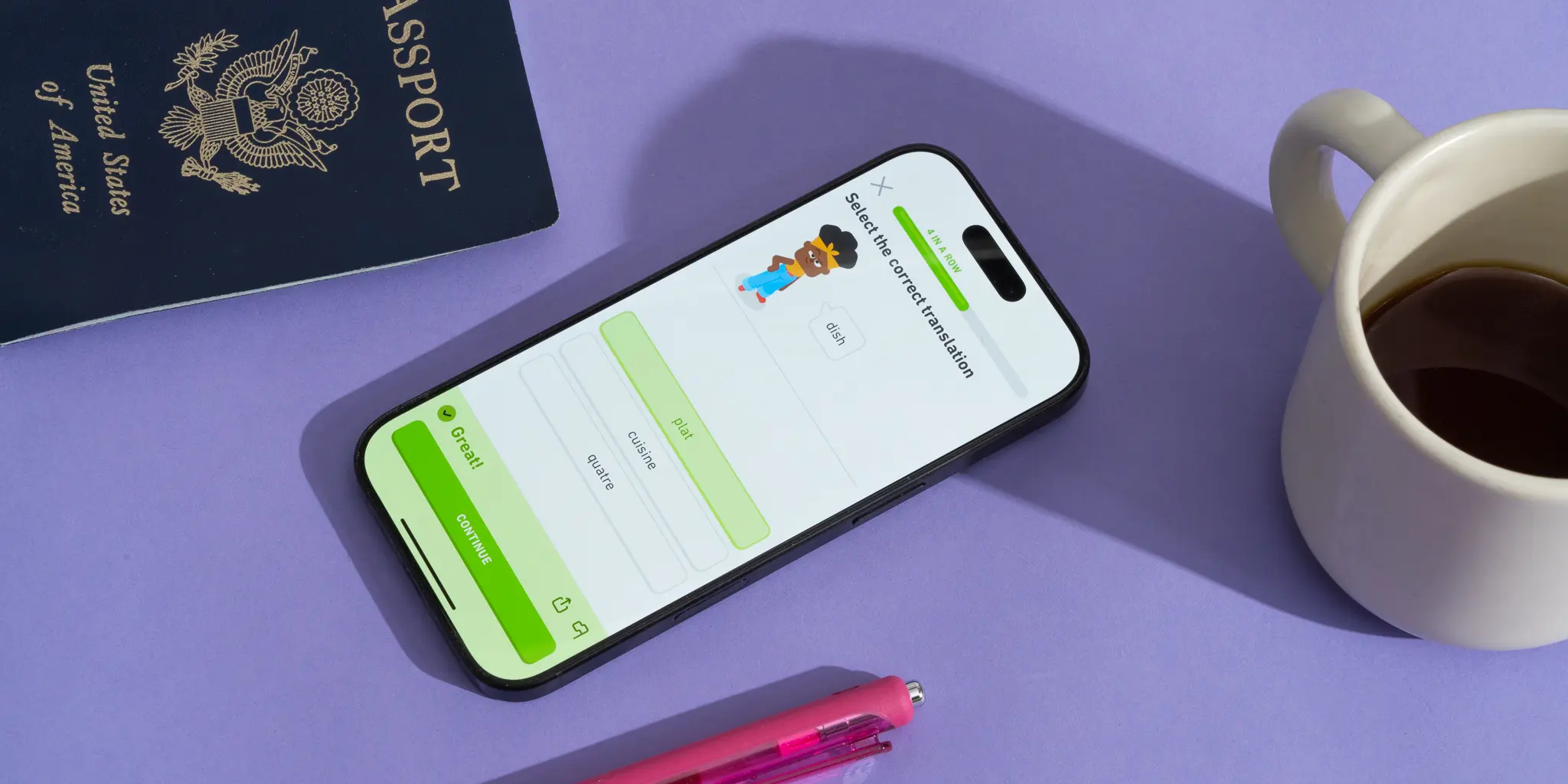
For travelers and remote workers seeking uninterrupted language learning without reliance on internet connectivity, Taalhammer emerges as the optimal choice, offering fully offline functionality with AI-powered customizable phrase sets specifically designed for travel scenarios. However, the landscape includes several strong alternatives tailored to different learning priorities. Memrise excels for vocabulary retention through spaced repetition and native speaker videos, Praktika leads for conversational AI with realistic avatars, Busuu provides comprehensive offline access with community feedback, and Speak specializes in pronunciation through advanced speech recognition.
This evaluation prioritizes three critical dimensions: complete offline accessibility, AI-enhanced learning capabilities, and practical utility for peripatetic professionals and travelers.
The Offline Learning Imperative
For travelers and remote workers, internet reliability cannot be assumed. Unlike casual users in stable connectivity environments, this demographic requires apps where offline functionality is non-negotiable—not a secondary feature. Between 2021 and 2026, several major platforms (notably Duolingo) eliminated or severely restricted offline capabilities, forcing users to prioritize apps with genuine offline-first architecture.
The distinction between “downloadable lessons” and “fully offline-capable” apps is crucial. Some applications cache content temporarily while requiring periodic internet synchronization; others function completely independently on device hardware. For someone on a flight with 12 hours of downtime or working in a region with intermittent connectivity, this difference is material.
Top Offline Language Apps: Detailed Analysis
1. Taalhammer — Best for Travel-Focused, Customizable Learning
Offline Capability: Complete—all features work entirely offline
Why It Stands Out for Travel:
Taalhammer uses an AI-driven spaced-repetition system that automatically identifies vocabulary and phrases you struggle with, then prioritizes them for review. Rather than forcing a predefined curriculum, learners build custom phrase sets tailored to their specific destination. A traveler heading to Peru can create or select a custom pack focused on navigating transit, ordering food, handling emergencies, and requesting directions—precisely the vocabulary they’ll use.
Key Features:
- Fully customizable sentence-based learning (not just vocabulary cards)
- AI that adapts to your weak spots
- 31 languages supported
- Native audio pronunciation
- Progressive difficulty scaling aligned with actual travel scenarios
- Smart spaced repetition without requiring internet
Pricing: Not extensively advertised in public marketing; available via web and mobile apps
Best For: Travelers with specific destinations who need conversation-ready fluency within weeks, not months. Remote workers relocating internationally.
Limitations: Smaller community compared to mainstream apps; less gamification than competitors.
2. Memrise — Best for Vocabulary Retention with Native Speaker Immersion
Offline Capability: Substantial—courses and lessons downloadable for offline practice
Why It Works for Remote Workers:
Memrise combines scientifically-backed spaced repetition with immersive video content from native speakers at natural pace. For remote workers managing scattered focus across time zones, the app’s ability to download lessons and practice vocabulary offline during commutes or downtime is invaluable.
Key Features:
- Native speaker videos for authentic pronunciation and context
- Spaced repetition system optimized for long-term retention
- User-generated content alongside official courses
- Gamification with points and leaderboards
- Detailed progress tracking showing mastery gaps
- Offline mode: download courses completely
- 75+ languages available
Pricing: Free (with ads); Pro approximately $81.99/year
Limitations: AI chatbot features (MemBot) require internet connection for optimal functionality; offline mode restricted to vocabulary and listening comprehension, not live conversation simulation.
Note on Offline Availability: Recent Reddit discussions (2024–2025) indicate Memrise removed offline capabilities from some newer versions, but legacy versions and the current Pro plan still support course downloads. Verify current availability before purchase.
3. Praktika — Best for Conversational AI with Immersive Avatars
Offline Capability: Offline mode available; limitations not fully documented for all features
Why It Excels for Conversation Practice:
Unlike traditional apps, Praktika presents AI conversation partners as ultra-realistic avatars with full backstories, cultural depth, and natural accents (American, British, Latin American). This multimodal approach—combining visual conversation partners with voice and text—feels significantly more human than text-only chatbots, reducing learner anxiety during speaking practice.
Key Features:
- 9 languages: English, Spanish, Japanese, Korean, French, Portuguese, Italian, German
- AI avatars with realistic lip-sync and emotional expression
- 1,000+ lessons across all proficiency levels
- Multimodal learning: upload photos, PDFs, voice notes for personalized lessons
- Real-time speech recognition and fluency feedback
- Practical roleplay scenarios (travel, job interviews, business presentations)
- Free download; premium unlocks advanced features
Pricing: Free to download; Premium pricing not explicitly stated (likely $5–$15/month based on comparable apps)
Best For: Learners with anxiety around speaking; visual learners; professionals preparing for job interviews or business meetings; travelers wanting realistic conversation scenarios.
Limitations: Avatar-based learning may feel less engaging than pure conversation for some users; smaller language selection than TalkPal or Memrise.
4. Speak — Best for Pronunciation and Fluency Through AI Feedback
Offline Capability: Offline mode allows download of lessons and practice materials
Why It Matters for Remote Workers:
Speak’s pedagogical approach centers on active speaking from day one. Users learn practical phrases, immediately practice pronunciation aloud, and receive instant AI feedback on intonation and fluency—not just correctness. This mirrors how adults actually acquire language: through deliberate vocal output, not passive reading.
Key Features:
- 6 languages: Spanish, English, French, Italian, Japanese, Korean
- Three-step method: learn real phrase → practice speaking → receive AI feedback
- Audio-first roleplay conversations
- Real-time pronunciation guidance with visualizations of mouth position
- Personalized learning paths adapting to your level
- Offline lesson downloads
- Advanced AI responses that feel conversational
Pricing: $20/month or $99/year
Limitations: Only 6 languages available—significantly fewer than competitors. Premium-only access (no substantial free tier). Audio-first design may require adequate device microphone and microphone permissions.
Best For: Professionals needing functional speaking confidence rapidly; learners motivated by direct verbal feedback; traveling professionals preparing for client meetings.
5. ELSA Speak — Best for Pronunciation Mastery and Exam Preparation
Offline Capability: Limited documentation; primarily cloud-based AI analysis
Why It’s Specialized:
ELSA is the first app with speech recognition designed specifically to evaluate pronunciation and fluency at the phoneme level. Color-coded visual feedback (green for correct, red/orange for errors) provides immediate clarity on articulatory precision. Exceptionally valuable for non-native speakers targeting American English pronunciation or preparing for high-stakes exams (IELTS, TOEFL, PTE).
Key Features:
- Phoneme-level speech recognition
- Color-coded visual feedback on pronunciation
- Roleplay scenarios targeting real-world situations
- AI Coach for motivation and progress tracking
- Personalized lesson paths based on pronunciation assessment
- Accent options (American, British, Australian)
- Preparation for IELTS, TOEFL, TOEIC, EIKEN, Pearson PTE
Pricing: Free (limited); Premium details not explicitly documented, but free tier includes substantial pronunciation practice
Best For: Learners with pronunciation anxiety; professionals preparing for English proficiency exams; non-native English speakers seeking American accent mastery.
Limitations: Offline capability unclear; appears primarily cloud-dependent; English-focused (not suitable for learning other languages at advanced level).
6. Busuu — Best for Balanced Learning with Human Feedback and Full Offline Access
Offline Capability: Complete—all lessons available offline without paywall
Why It’s Unique:
Busuu is exceptional for its dual-channel approach: structured lessons (offline-capable) combined with live community feedback from native speakers on your speaking and writing submissions. For remote workers, this creates asynchronous interaction opportunities across time zones—submit a speaking sample during your workday, receive native speaker corrections overnight.
Key Features:
- 12 languages at A1–B2 proficiency levels
- All lessons downloadable for offline learning
- Community feedback from native speakers on speaking/writing
- Smart Review using spaced repetition
- Live tutoring sessions (requires internet)
- Grammar review integrated with vocabulary
- Progress tracking across devices
Pricing: Free (limited lessons); Premium $5.41–$15.90/month depending on commitment length; 14-day money-back guarantee on premium plans
Best For: Collaborative learners who value human interaction; remote workers leveraging asynchronous feedback; travelers seeking community connection; learners progressing from A1 to B2 levels.
Limitations: Community interaction requires internet; less gamification than Duolingo; smaller language portfolio than Mondly or Rosetta Stone.
7. Mondly — Best for Broad Language Coverage and AI-Powered Conversations
Offline Capability: Offline mode available; detailed functionality for offline use not exhaustively documented
Why It Scales for Polyglots:
Mondly supports 41 languages—enabling users to learn multiple languages under a single subscription. For remote workers in multilingual regions or professionals managing international teams, this scalability is exceptional. The app combines short lessons (ideal for fragmented work schedules) with 100+ native speaker dialogues and smart speech recognition.
Key Features:
- 41 languages (largest selection among major competitors)
- 1,320 language combinations possible
- 100+ native speaker dialogues
- Speech recognition and real-time pronunciation feedback
- Travel, business, family, and lifestyle themed lessons
- Offline mode
- Adaptive learning based on your pace
Pricing: Free (limited); Subscription varies by region and promotion, approximately $7.99–$15.90/month or annual plans
Best For: Polyglots or professionals needing multiple languages; travelers planning visits to diverse regions; corporate teams managing multilingual projects; learners seeking breadth over depth.
Limitations: With 41 languages, content depth per language is necessarily lower than apps focusing on fewer languages; offline capabilities less transparent than competitors.
8. Rosetta Stone — Best for Premium, Immersive Learning with Lifetime Value
Offline Capability: Fully offline after downloading units; supports Offline Mode on mobile
Why It’s a Strategic Investment:
Rosetta Stone’s immersion methodology—teaching vocabulary and grammar through contextual image and audio associations rather than explicit rules—aligns with adult language acquisition theory. For remote workers with stable income and long-term learning commitment, the lifetime subscription represents exceptional value.
Key Features:
- 24 languages available
- Unlimited Languages option: access all languages under one subscription
- Download units for complete offline operation
- Immersion method (context-based, not rule-based)
- Offline Mode for mobile apps
- Pronunciation feedback via speech recognition
- Progress syncing across devices
- No advertisements, ever
Pricing: Subscription: 3-month, 12-month options; Lifetime: one-time payment (often on sale for $134–$299, regular price $599)
Best For: Serious long-term learners; professionals relocating internationally; travelers planning extended stays; learners preferring immersion over explicit grammar instruction.
Limitations: Immersion methodology may feel slower for learners who benefit from explicit grammar explanation; least gamified among competitors; premium pricing barrier for casual learners.
9. Babbel — Best for Real-World Conversation in Short Sessions
Offline Capability: Lessons downloadable for offline access; voice recognition requires internet
Why It Works for Busy Professionals:
Babbel’s 10–15 minute lessons integrate speaking, listening, reading, and writing within a single focused session—ideal for remote workers with fragmented schedules. The curriculum emphasizes real-world scenarios (ordering at restaurants, handling business negotiations, navigating emergencies) rather than abstract grammar.
Key Features:
- 14 languages
- 10–15 minute structured lessons
- Real-world conversation focus (travel, business, culture)
- Grammar explanations integrated within lessons
- Speech recognition for pronunciation feedback
- Downloadable lessons for offline practice
- Progress tracking across devices
Pricing: Monthly subscription: $8.95–$17.95/month depending on commitment length; Lifetime: $159–$299 (heavily promoted with periodic discounts)
Best For: Busy professionals with limited daily study windows; learners preferring structured curricula; travelers preparing conversation scripts for specific scenarios.
Limitations: Voice recognition and live tutoring (Babbel Live) require internet; fewer languages than Mondly; less gamification than Duolingo.
AI-Enhanced Features: A Critical Comparison
| Feature | Praktika | Speak | ELSA | Langua | TalkPal |
|---|---|---|---|---|---|
| Human-like Voices | Ultra-realistic avatars | Natural AI voices | Standard | Native-cloned voices | GPT-powered |
| Real-time Feedback | Fluency + pronunciation | Pronunciation focus | Phoneme-level | Grammar + pronunciation | Comprehensive |
| Hands-free Practice | Text/voice input | Voice-centric | Text-based | Call Mode available | Voice + text |
| Multimodal (Upload Content) | Yes (photos, PDFs, audio) | No | No | No | No |
| Emotion Detection | No | No | No | No | Yes |
| Languages Supported | 9 | 6 | Primarily English | Multiple | 57+ |
| Offline Capable | Yes | Yes | Limited | No (conversation-based) | No |
Pricing Architecture for Remote Workers
For professionals managing multiple responsibilities, the cost-to-value ratio matters significantly. Here’s a transparent breakdown:
Best Budget Option:
- Duolingo Super: $59.99/year ($5/month)—excellent for casual practice, severe offline limitations
- Mondly: ~$8–$10/month (with promotions)—broadest language coverage, partial offline
Best Mid-Tier Value:
- TalkPal Premium: Monthly/yearly options (exact pricing varies)—57+ languages, comprehensive AI feedback
- Busuu Premium: $5.41–$15.90/month—community interaction, full offline, human feedback
- Speak: $99/year or $20/month—specialized pronunciation focus
Best Long-Term Investment:
- Babbel Lifetime: $159–$199 (on promotion)—14 languages forever, no ongoing costs
- Rosetta Stone Lifetime: $134–$299 (on promotion)—24 languages (or unlimited), immersion method
- Memrise Pro: $81.99/year—vocabulary focus, massive language library (75+), spaced repetition
Specialized Profiles: Recommendations by Use Case
A. Traveling to a Single Country Within 2–4 Weeks
Primary: Taalhammer (custom phrase sets for your destination)
Secondary: Babbel (real-world conversation scenarios, offline-ready)
Tertiary: Mundly (broader phrase coverage across 41 languages)
B. Remote Work in a Non-English-Speaking Country (3+ Months)
Primary: Busuu (community interaction bridges isolation; offline + human feedback)
Secondary: Rosetta Stone (immersion method builds natural fluency over time; lifetime option economical)
Tertiary: Memrise (vocabulary foundation with native speaker context)
C. Professional Needing Job-Interview Fluency
Primary: Praktika (realistic avatar-based roleplay for interview scenarios)
Secondary: Speak (pronunciation mastery rapidly)
Tertiary: ELSA Speak (if focusing on English; exam preparation context)
D. Polyglot Managing 3+ Languages
Primary: Mondly (41 languages; single subscription)
Secondary: TalkPal (57+ languages; advanced AI feedback across all)
Tertiary: Memrise (75+ languages; vocabulary-first approach)
E. Traveling Through Remote Areas (Limited/No Internet)
Primary: Taalhammer (fully offline; AI adaptation works on-device)
Secondary: Rosetta Stone (fully offline after download; immersion method robust)
Tertiary: Busuu (all lessons downloadable; no internet required)
Avoid for this scenario: Langua, TalkPal, Lingostar (all conversation-dependent; require internet)
Critical Offline Functionality Assessment
Fully Offline (All Features):
- Taalhammer
- Busuu (all lessons)
- Rosetta Stone (after download)
- Babbel (lessons; voice recognition requires internet)
Partial Offline (Lessons + Limited Interaction):
- Memrise (courses downloadable)
- Mondly (offline mode available)
- Praktika (offline mode)
- Speak (lessons downloadable)
Online-Required (Limited/No Offline):
- Duolingo (extremely limited; ~1 lesson per session)
- ELSA Speak (cloud-dependent speech analysis)
- Langua (conversation-dependent)
- TalkPal (conversation requires real-time AI)
Critical Note: Duolingo eliminated full offline course downloads in 2021. If offline learning is non-negotiable, avoid Duolingo.
Implementation Strategy: Building Your Learning Stack
Rather than relying on a single app, professional language learners optimize outcomes through strategic app combinations:
Recommended Stack for Travelers:
- Foundation (vocabulary + grammar): Taalhammer (offline) or Busuu (offline + community)
- Conversation Practice: Praktika or Speak (download lessons, practice offline)
- Listening Immersion: Memrise native speaker videos (download for offline review)
Recommended Stack for Remote Workers:
- Structured Lessons: Babbel (real-world scenarios, offline-downloadable)
- Speaking Confidence: Langua (Call Mode for hands-free practice) or TalkPal (when internet available)
- Vocabulary Retention: Memrise spaced repetition (download, review offline)
Time Commitment for Proficiency:
- Beginner → Conversational (A1→A2): 4–8 weeks with 20–30 minutes daily
- Conversational → Functional (A2→B1): 8–12 weeks with 30–45 minutes daily
- Functional → Fluent (B1→B2+): 12+ weeks with 45–60 minutes daily (plus real-world immersion)
Conclusion: The Optimal Choice
For travelers prioritizing customization and complete offline functionality: Taalhammer is unmatched. Its AI-powered spaced repetition, custom phrase building, and travel-scenario focus create destination-specific fluency rapidly without internet.
For remote workers balancing offline learning with community interaction: Busuu offers the most balanced approach—comprehensive offline lessons combined with native speaker feedback, enabling asynchronous community engagement across time zones.
For professionals requiring conversation confidence: Praktika (AI avatars) or Speak (pronunciation mastery) provide specialized pathways to functional fluency.
For long-term value and breadth: Rosetta Stone Lifetime or Babbel Lifetime deliver exceptional ROI, eliminating subscription fatigue while supporting extended international assignments or relocations.
The optimal app ultimately depends on your specific constraint: time to proficiency, language count, offline necessity, and interaction preference. Consider combining 2–3 apps rather than relying on a single platform. The market has matured sufficiently that specialized tools (Speak for pronunciation, Memrise for vocabulary, Langua for conversational fluency) now outperform generalist “all-in-one” platforms for specific goals.