
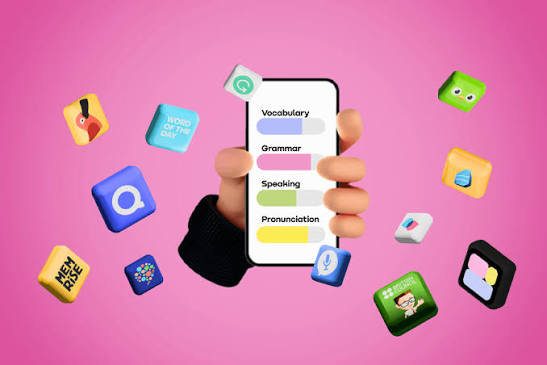
Learning English as an adult does not have to mean attending expensive classes or studying for hours after work. The right app can help you build vocabulary, improve grammar, practise pronunciation and become more confident in real conversations.
But which English learning apps are actually worth using? Some are excellent for free daily lessons, while others offer more structured courses, detailed speaking feedback or conversations with tutors. This guide compares the leading options and explains when paying for a subscription makes sense.
Quick answer: Duolingo is a practical starting point if you want free, bite-sized lessons. Busuu and Babbel are worth considering if you prefer a more structured learning path. ELSA Speak focuses on pronunciation, BBC Learning English provides free listening and learning materials, and Preply or italki can connect you with human tutors for personalised practice.
The best choice depends on your current level, budget and reason for learning English. Someone preparing for a job interview needs a different approach from someone learning basic English for travel.
Best English Learning Apps at a Glance
| App | Best for | Free access | Why consider paying? |
|---|---|---|---|
| Duolingo | Daily practice and beginners | Yes, with limitations and ads depending on the experience | To reduce interruptions and access additional features |
| Busuu | Structured lessons and feedback | Yes, with some features restricted | For expanded review tools, offline learning or other premium features |
| Babbel | Practical conversations and grammar | Limited introductory access | To unlock more of the course content |
| ELSA Speak | Pronunciation and spoken clarity | Limited free practice | For more lessons and detailed pronunciation feedback |
| BBC Learning English | Listening, vocabulary and natural English | Yes, extensive free resources | Usually no subscription is necessary for its core learning materials |
| British Council LearnEnglish | Grammar, listening and reading | Many free resources | Some additional courses or services may cost extra |
| Memrise | Vocabulary and listening to real speakers | Free access with feature restrictions | For additional practice and premium features |
| Preply / italki | Live conversations with tutors | Limited trial or introductory options may be available | For individual lessons and personalised feedback |
Free-plan limits, course availability and subscription features can change. Check each provider’s current offer before paying, especially when purchasing through an app store.
1. Duolingo: Best Free English Learning App for Daily Practice
Learn English in short, manageable sessions
Free plan available · Optional paid subscriptions
Duolingo makes learning feel manageable by breaking lessons into short activities. Learners practise vocabulary, sentence structure, reading and listening, with speaking exercises available in supported courses.
For busy adults, this format can make it easier to establish a daily study habit. You can practise during a commute, a lunch break or a few quiet minutes at home.
Advantages:
- A free way to begin learning English.
- Short lessons that fit into a busy schedule.
- Progress tracking and reminders that encourage consistency.
- Useful repetition for basic vocabulary and sentence patterns.
Limitations: Completing exercises does not automatically prepare you for spontaneous conversation. Some free experiences include ads or usage limits, and more advanced interactive features may depend on your plan.
Free vs paid: Start with the free version. Upgrade only if the restrictions interrupt your routine or the premium features provide something you will genuinely use.
Best for: Beginners, casual learners and adults who need help studying consistently.
2. Busuu: Best for a Structured Learning Path
Follow lessons instead of choosing random exercises
Free plan available · Premium options
Busuu is worth considering if you want your English lessons to follow a clearer sequence. Its learning experience combines language exercises with practical topics, and selected activities can allow learners to receive corrections from other users.
This structure can be useful for adults who want to understand what they are studying and build on earlier lessons rather than simply memorising isolated phrases.
Advantages:
- A more organised course-style experience.
- Practice covering multiple language skills.
- Community feedback on supported speaking and writing exercises.
- Premium features for learners who want additional study tools.
Limitations: Community feedback may vary in quality and availability. Not every feature is included in the free plan, and course coverage can depend on your language settings.
Free vs paid: Try the free course first. Consider Premium if you need the extra review, offline or other tools included in the subscription you are offered.
Best for: Adults who prefer lessons with a clear progression and want more structure than a game-based app provides.
3. Babbel: Best for Practical Conversations and Grammar
Learn useful phrases for real-life situations
Primarily subscription-based · Limited introductory access
Babbel is designed around practical language learning, with lessons that introduce vocabulary, sentence patterns and grammar in context. It can appeal to adults who want to learn how to handle situations such as introducing themselves, ordering food, travelling or communicating at work.
Rather than relying only on repetition, the course explains how language works and gives learners opportunities to practise common expressions.
Advantages:
- Lessons built around practical communication.
- Grammar explanations within the learning experience.
- Content suitable for independent study.
- A good option for learners who prefer a planned curriculum.
Limitations: Access to the full course generally requires payment. English-course availability and the languages used for instruction vary, so confirm that the product supports your needs.
Free vs paid: Check the introductory lessons before subscribing. If you like the method, compare the total upfront cost of an annual plan with the flexibility of a shorter subscription.
Best for: Adults who want structured lessons and practical English for everyday life or work.
4. ELSA Speak: Best for English Pronunciation
Work on how clearly you speak
Limited free access · Paid plans available
Knowing English vocabulary is one thing; saying it clearly is another. ELSA Speak focuses on pronunciation practice and uses speech-recognition technology to provide feedback on spoken English.
It may help learners identify sounds they struggle with, practise stress and work toward clearer speech. This is particularly useful if you understand English but feel uncomfortable speaking aloud.
Advantages:
- Focused pronunciation exercises.
- Feedback on supported speech activities.
- Practice that can be repeated privately and at your own pace.
- A useful supplement to a broader English course.
Limitations: Pronunciation is only one part of fluency. The app should not replace conversation practice, listening to different speakers or learning grammar and vocabulary. Automated feedback can also be imperfect.
Free vs paid: Test the free exercises to see whether the feedback helps you. A paid plan makes more sense if pronunciation is a major goal and you will practise regularly.
Best for: Professionals preparing for presentations, job interviews or meetings, and learners who want to improve spoken clarity.
5. BBC Learning English: Best Completely Free Supplement
Improve listening and learn from real examples
Free learning resources
BBC Learning English provides lessons, audio, videos, vocabulary explanations and grammar resources. It is particularly useful for learners who want to hear English used in context instead of relying exclusively on multiple-choice questions.
Short listening programmes can help you become familiar with spoken English, common expressions and the way words sound when people speak naturally.
Advantages:
- Free learning materials covering a range of topics.
- Listening practice with accompanying explanations or transcripts in selected resources.
- Grammar and vocabulary lessons.
- Useful material for intermediate learners who want to progress.
Limitations: It is less like a single guided course than some subscription apps. You may need to create your own schedule and practise speaking separately.
Free vs paid: Start with the free materials. For many learners, there is no need to pay for a separate subscription just to use these core resources.
Best for: Adults who want to improve listening comprehension without increasing their learning budget.
6. British Council LearnEnglish: Best for Grammar and Listening
Study grammar, vocabulary, reading and listening
Many free resources · Some additional services may be paid
Visit British Council LearnEnglish
The British Council’s LearnEnglish resources offer learning materials for different levels. Depending on the resource, you can work on grammar, reading, listening, vocabulary and practical English.
This can be especially helpful if you prefer to understand a grammar point, complete an exercise and then apply what you learned in your own sentences.
Advantages:
- Materials for different levels and language skills.
- Grammar explanations and practice exercises.
- Listening and reading activities.
- A useful complement to independent study or lessons with a teacher.
Limitations: The website and its different learning products do not all work in the same way. You may need a separate speaking partner to practise conversation.
Free vs paid: Explore the free library first. Consider a paid course or service only if it meets a specific need that the free materials do not cover.
Best for: Adults who want reliable study materials and more focused grammar or listening practice.
7. Memrise: Best for Vocabulary and Listening to Speakers
Connect new words with spoken examples
Free access available · Optional paid features
Memrise focuses on helping learners remember vocabulary and become more familiar with the way language is used. Depending on the course and available features, learners may encounter video examples, listening activities and review exercises.
For adults who recognise English words when reading but struggle to understand them in conversation, listening to different speakers can be a useful part of study.
Advantages:
- Vocabulary-focused practice.
- Exposure to spoken examples in supported content.
- Useful repetition to help retain new words.
- Can complement a more comprehensive course.
Limitations: Vocabulary practice alone will not develop every skill. Features and free-plan restrictions may vary, and you still need opportunities to form your own sentences.
Free vs paid: Start with free access and upgrade only if the premium features improve your study routine.
Best for: Learners who want to expand vocabulary and improve their recognition of spoken English.
8. Preply and italki: Best for Real Conversations With a Tutor
Practise with a real person and receive individual feedback
Usually paid per lesson or through a lesson plan
Explore Preply · Explore italki
Apps can help you practise independently, but a tutor can respond to your answers, ask follow-up questions and adapt lessons to your goals. Preply and italki connect learners with tutors, with availability, qualifications and prices varying by teacher.
Lessons can focus on general conversation, professional English, interview preparation, pronunciation or exam practice. You can often look for a tutor whose teaching style and availability suit you.
Advantages:
- Live conversation rather than only automated exercises.
- Feedback tailored to your recurring mistakes.
- Practice for specific work, travel or exam goals.
- Opportunities to ask questions immediately.
Limitations: Regular lessons can cost more than self-study apps. Tutor quality, teaching approach and prices vary, and some platforms use subscriptions or lesson packages.
Free vs paid: A fully free plan is generally not the main offering. Check whether trial lessons or introductory offers are available, and understand the cancellation and billing terms before purchasing.
Best for: Intermediate learners, professionals, and anyone who needs to become more confident speaking in real situations.
Free vs Paid English Learning Apps: What Do You Really Get?
The main difference is not always the quality of the lessons. In many cases, a free plan teaches useful English, while the subscription removes restrictions or provides additional feedback and convenience.
| Feature | Free apps and plans | Paid plans and services |
|---|---|---|
| Vocabulary practice | Often sufficient for everyday study | May add extra review tools and content |
| Grammar lessons | Available from several free resources | May provide a more guided curriculum or extra exercises |
| Listening practice | Many free audio and video resources | May offer additional lessons or structured pathways |
| Pronunciation feedback | Usually more limited | Some apps provide more detailed speech analysis |
| Live conversation | Possible through exchanges or limited introductory offers | Tutors provide scheduled, personalised practice |
| Offline access | Depends on the app | May be included in selected subscriptions |
| Ads and usage limits | May include ads or daily restrictions | Some subscriptions remove ads or increase access |
| Personal feedback | Can be limited or community-based | May include advanced automated feedback or a human teacher |
Important: Paying does not automatically mean learning faster. A free app used consistently alongside listening and speaking practice may be more valuable than an expensive subscription that you rarely open.
How Much Do English Learning Apps Cost?
English learning apps use different pricing models. Some are free with optional upgrades, some charge a recurring subscription, and tutor platforms charge for lessons. Prices can change according to country, currency, promotion, billing period and whether you subscribe through a website or an app store.
Free learning
Budget: $0
Combine Duolingo, BBC Learning English and British Council resources. Add free vocabulary review and regular listening practice.
Ideal for: Beginners, students and budget-conscious adults.
One paid subscription
Budget: Varies by app
Choose one course or specialist tool that addresses your biggest weakness, such as structured lessons or pronunciation.
Ideal for: Learners who want more guidance or fewer restrictions.
App plus tutor
Budget: Subscription plus lesson fees
Use an app for daily practice and schedule occasional live sessions to work on spontaneous conversation and mistakes.
Ideal for: Professionals and learners preparing for real conversations.
Exam preparation
Budget: Depends on your exam and timeline
Use focused practice materials and consider a tutor who understands the exam format and scoring criteria.
Ideal for: IELTS, TOEFL or other English test candidates.
Before buying an annual plan, calculate the full amount charged today rather than looking only at the advertised monthly equivalent. Check renewal dates, cancellation policies and whether the trial automatically converts into a paid subscription.
Find the Best English Learning App for Your Goals
Answer these three questions to get a practical starting recommendation. The result is a guide based on your preferences, not a formal assessment of your English level.
How to Learn English as an Adult Without Wasting Time
You do not need to install every popular English learning app. Using too many tools can make your routine complicated and leave you jumping between lessons without practising enough.
1. Choose one main app
Select a tool that matches your biggest need. Use Duolingo for a simple daily habit, Busuu or Babbel for more structured lessons, or ELSA Speak if pronunciation is your main concern.
2. Practise listening every day
Listen to a short English recording, video or lesson. First try to understand the general meaning. Then replay it and identify useful expressions. Use subtitles or transcripts when available, but occasionally listen without reading.
3. Speak aloud instead of only tapping answers
Repeat phrases, describe your day, summarise a short video or answer a question out loud. Even a few minutes of active speaking can help you practise retrieving words instead of simply recognising them on a screen.
4. Keep a personal vocabulary list
Record useful phrases rather than collecting isolated words. For example, learn “Could you explain that again?” as a complete expression. Review the list regularly and create your own example sentences.
5. Measure progress with real tasks
Instead of relying only on streaks or points, set practical targets: introduce yourself for one minute, write a short email, understand a news clip or hold a five-minute conversation. Repeat the same task after a few weeks to see how your skills change.
A Simple 30-Minute Daily English Study Plan
This routine can work with free apps, paid subscriptions or a combination of both.
| Time | Activity | Suggested resource |
|---|---|---|
| 10 minutes | Complete a lesson on vocabulary or grammar. | Duolingo, Busuu or Babbel |
| 10 minutes | Listen to a short recording and note useful phrases. | BBC Learning English or British Council LearnEnglish |
| 5 minutes | Repeat phrases aloud or practise pronunciation. | ELSA Speak or your chosen audio lesson |
| 5 minutes | Speak or write using what you learned. | A language partner, tutor or personal notes |
On busy days, shorten the routine instead of abandoning it completely. Consistency is useful, but the quality of your practice matters too. Make sure some of your study time involves producing your own English, not just selecting the correct answer.
Common Mistakes to Avoid When Choosing an English App
- Paying before testing: Use the available free lessons or trial to see whether the teaching style suits you.
- Expecting instant fluency: An app can support learning, but progress requires repeated exposure, practice and time.
- Ignoring speaking: Reading and tapping answers will not fully prepare you for spontaneous conversations.
- Collecting subscriptions: One main app and one complementary resource may be easier to maintain than several overlapping subscriptions.
- Choosing only by price: The cheapest app is not automatically the best if it does not address your learning goal.
- Forgetting renewal dates: Check whether a trial converts into a paid subscription and how to cancel before renewal.
- Comparing prices without checking billing: A low monthly equivalent may require paying for a full year upfront.
Frequently Asked Questions
What is the best free English learning app for adults?
Duolingo is a useful free starting point for short daily lessons. BBC Learning English and British Council LearnEnglish are also strong options for free listening, grammar and vocabulary resources. The best choice depends on which skill you need to improve.
Are paid English learning apps worth the money?
They can be worth it if the subscription provides a feature you will use regularly, such as a structured course, detailed pronunciation feedback, offline access or additional speaking practice. Try the free options first and pay only for a clear benefit.
Can I become fluent in English using only an app?
Apps can help you build vocabulary, grammar, listening and pronunciation skills. However, advanced communication also requires using English in meaningful situations. Combine app lessons with reading, listening, writing and real conversations for a more balanced approach.
Which English app is best for working professionals?
Busuu or Babbel may suit professionals who want structured lessons, while ELSA Speak can help with pronunciation. If you need to practise meetings, presentations or job interviews, consider adding a tutor who can tailor conversations to your work.
Which app is best for English pronunciation?
ELSA Speak is designed specifically for pronunciation practice and automated feedback. It is best used alongside listening to different speakers and practising conversations, since clear communication involves more than individual sounds.
How long should adults study English each day?
A manageable routine of 15 to 30 minutes a day is a useful starting point for many learners. The ideal amount depends on your current level, goals and schedule. Regular practice with a mix of skills is more useful than an unrealistic schedule that you cannot maintain.
Is it better to learn English with an app or a tutor?
They serve different purposes. Apps are convenient for daily repetition and independent study, while tutors can provide live conversation and personalised corrections. If your budget allows, combining the two can help you balance regular practice with individual feedback.
Final Verdict: Which English Learning App Should You Choose?
If you are starting from scratch and want to spend nothing, begin with Duolingo and supplement it with BBC Learning English or British Council resources. If you prefer a structured course, compare Busuu and Babbel. If pronunciation is your biggest challenge, test ELSA Speak. And if your priority is real conversation, consider a language partner or a tutor through Preply or italki.
The most effective setup is not necessarily the most expensive one. Choose a tool you enjoy using, practise consistently, and make time to speak or write English yourself. That combination is a practical way to turn app-based lessons into skills you can use in everyday life.
Editorial note: App features, course availability, free-plan restrictions and subscription prices may change. Review the provider’s official website and the exact checkout terms before subscribing.